Booking a private villa for a family holiday sounds simple until you start comparing listings. The photos look dreamy, the pool sparkles, and then you arrive to find the “fourth bedroom” is a sofa bed in the living room, the garden drops off a cliff edge, and the nearest supermarket is an hour away. Finding a villa that genuinely fits kids, grandparents and a real budget takes more than falling for a beautiful hero shot.
This guide walks you through the decisions that matter most: how to judge bedrooms and sleeping arrangements, how to match the location to your family’s daily rhythm, how to compare pools and child-safe outdoor space, how to set a realistic budget, when to book for the best rates, and how to vet a villa before you pay. A final checklist pulls everything together so you can book with confidence.
Start With Bedrooms, Beds and Sleeping Arrangements
The biggest mistake families make is counting bedrooms from the listing headline instead of counting real bedrooms. A “five-bedroom villa” may actually have three proper bedrooms with doors, plus a sofa bed in the lounge and a fold-out in a mezzanine that everyone has to walk past at night. For a comfortable trip, aim for 3-5 genuine bedrooms so each adult couple gets a door that closes, whether that’s parents, grandparents or friends sharing the villa.
Check the actual bed configurations
Many villas furnish every room with a double bed, which works for couples but not for families with young children who need twin beds or a cot in the parents’ room. Before booking, ask exactly what size beds are in each room and whether twins can be set up on request. Some properties happily reconfigure, others cannot.
Also confirm the practical details in writing: whether children are allowed to share a room, and whether cribs, high chairs and bed guards are provided free or rented at extra cost. Quality varies a lot between owners, and a villa that supplies proper family equipment is usually one that genuinely welcomes families rather than tolerating them. Ask for photos of the actual cot and high chair, not just the brochure description, so you know what will be waiting when you arrive tired with a toddler in tow.
Match the Location to Your Family’s Daily Rhythm
A gorgeous villa in the wrong place can turn a relaxing week into a shuttle service. With small children, you want a villa within a 30-45 minute drive of the things you’ll actually use daily: beaches, supermarkets and, importantly, a medical clinic or hospital. That last one is easy to overlook until someone gets an ear infection on day three. Check the drive times yourself on a map rather than trusting the listing’s “close to everything” claim.
Think about your family’s real routine
Hillside and remote properties often have the best views and the worst logistics. Winding access roads, long transfers to town and no walkable amenities get tiring fast when you’re doing daily outings with small children, so skip them unless total seclusion is the whole point of your trip.
Then match the setting to your family’s stage. Urban villas suit families with teenagers who want restaurants, museums and nightlife on the doorstep, and they work well for culture-focused trips. Coastal and countryside villas are the better fit for pool-and-play holidays, where the days revolve around swimming, garden games and short trips to the beach. Neither is better, but choosing the wrong one for your crew is a common and expensive mistake.
Compare Pools, Gardens and Child-Safe Outdoor Space
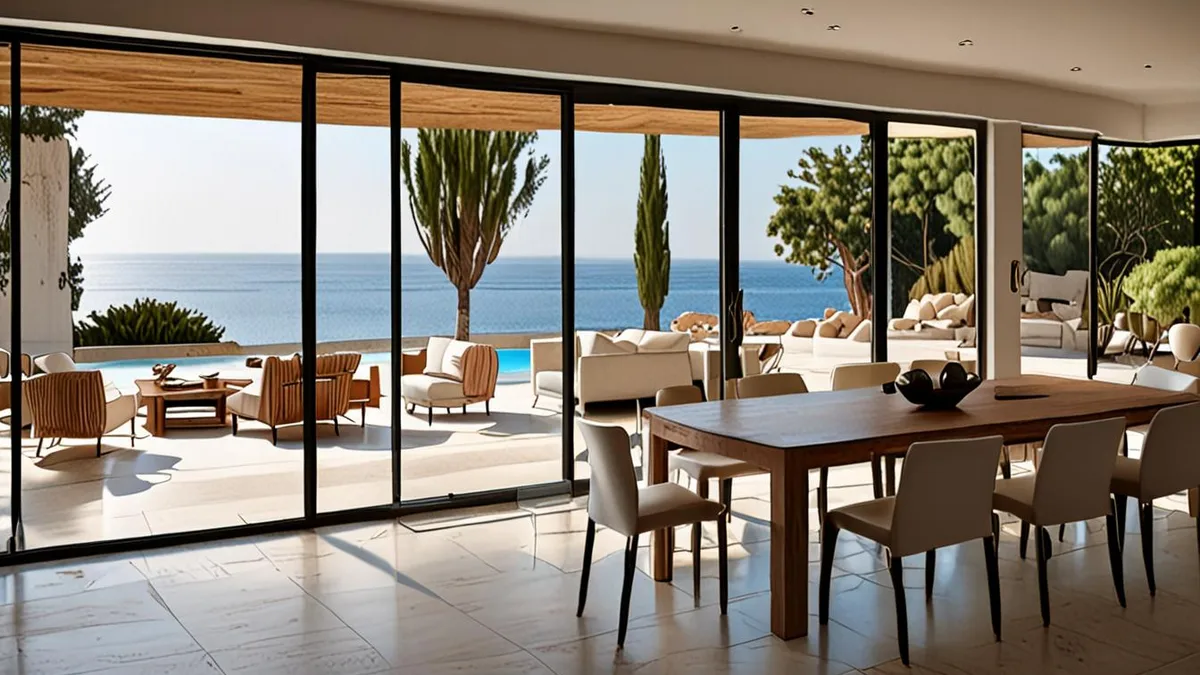
The outdoor space is where families actually spend most of their villa week, so scrutinize it as carefully as the interiors. A private pool is usually the headline feature, and it comes at a price: expect it to add roughly $100-$400 per night versus a similar non-pool villa. That premium is often worth it, but only if the pool and everything around it work for your children’s ages. A heated pool matters too if you’re traveling in the shoulder season, when evenings can be cooler than you expect.
If you have non-swimmers under 8, ask specific questions before booking: how deep is the pool at its shallowest point, and is there fencing, a cover or an alarm? A beautiful infinity pool with no barrier and a toddler in the group is a stress you don’t need on holiday. Also ask whether pool towels, floats and sun loungers are provided, since renting or buying these on arrival gets old fast.
- Shaded terraces: Look for covered outdoor dining and lounge areas so young children can play outside during the hottest hours without constant sun exposure.
- Lawn and flat garden: A level lawn gives kids space for ball games and running around, and it’s far easier to supervise than terraced, multi-level landscaping.
- Terrace edges and drops: Check photos for unfenced terraces, retaining walls or steep drops from the garden, and ask the owner directly about balustrades and gates if anything looks borderline.
Ask for a short video of the garden and pool area if the photos only show it from flattering angles. Owners of genuinely family-friendly villas are usually happy to provide it, and hesitation is itself a useful signal. Finally, think about how you’ll actually use the space: an outdoor dining table with seating for everyone, a barbecue in working order and a bit of grass close to the living room will get more daily use than a picture-perfect pool deck you have to walk downstairs to reach.
Set a Realistic Budget for a Private Villa for a Family Holiday
Renting a whole villa for your family usually costs between $300 and $1,500 per night. That is a wide range for a reason: destination, villa size and season all move the price. A simple three-bedroom house inland on a Greek island sits at the low end, while a five-bedroom seafront property with a heated pool on the French Riviera can easily reach the top of the range. Work out which of those you actually need before you start browsing, or every listing will look either too expensive or disappointingly basic.
The extras that catch families out
The nightly rate is rarely the whole cost. Most villas charge cleaning separately, typically $20-$60 per hour, and some require a set number of hours at the end of your stay. If you want a cook or chef to prepare dinners, budget for that too: the going rate is also $20-$60 per hour, or a per-meal fee. For a family staying a week, a few cooked dinners and a mid-stay clean can add several hundred dollars to the bill, so ask for these rates upfront and decide what you will actually use.
Minimum stays and the real total
In high season, many villa owners impose minimum stays of 5-7 nights. That is fine if you planned a week anyway, but it matters if you hoped to combine two locations, since you may have to pay for nights you do not use. Before booking, multiply the nightly rate by the required stay, add cleaning and any staff costs, and compare that total against two or three similar properties. One that looks cheaper per night is not always cheaper for the week, especially once pool heating or a mandatory end-of-stay clean is factored in.
Time Your Trip: Seasons and Booking Lead Times
Two families can rent nearly identical villas and pay very different prices, and the difference is almost always timing. Getting the calendar right matters as much as picking the right property, because availability and rates shift dramatically across the year. A villa that feels like a bargain in October can be booked solid and priced at a premium in August. The good news is that the rules are simple, and once you understand how the season works, you can plan around it instead of reacting to it. Work through them in this order:
- Book early for peak summer in Europe. The best family villas for the July-August school holidays sell out first, often to returning guests who rebook the same property year after year. Plan on booking 6-9 months ahead if those weeks are fixed for you, and expect less choice and higher rates if you leave it later.
- Consider the shoulder months instead. Traveling in May, June, September or October typically cuts rates by roughly 20-40% compared with peak weeks. The weather is milder, pools are still warm in early autumn, and beaches and restaurants are noticeably calmer.
- Check school calendars before you commit. If your dates are flexible, avoid overlapping with regional school holidays in your destination too. Local holiday weeks push up demand even outside the main summer season, and avoiding them gets you lower rates and quieter locations.
- Set a booking reminder. Once you know your ideal window, put a reminder in your calendar for 6-9 months out so you are not browsing leftovers in spring for a summer trip.
If your children are young and school rules are loose, the shoulder months are usually the sweet spot: lower prices, gentler sun and easier restaurant bookings. You will also find more flexible minimum stays outside high season, when owners often accept shorter bookings. If you are locked into July or August, treat the early booking window as non-negotiable and shortlist your favorite villas well before rates rise, then confirm your first choice as soon as the owner or agency opens the calendar.
Vet the Villa Before You Pay
Photos can be years old, and a villa that looked perfect online can hide a busy road behind the hedge or a kitchen with two forks. Before you pay a deposit, treat the vetting process like a proper inspection. Ask the owner or agency for recent photos, ideally taken within the last season, and request a short video walkthrough of the bedrooms, bathrooms, kitchen and outdoor space. A genuine owner will usually be happy to do this on a video call, and hesitation is itself useful information.
Reviews matter too, but read them selectively. Filter for reviews from other families rather than couples, because they will mention the things you care about: whether the twin beds actually exist, whether the garden is safe for a toddler, whether the air conditioning reaches the upstairs rooms. Then get the practical details in writing.
- Air conditioning: confirm it is in every bedroom, not just the living area, and whether it is included in the rate or metered and charged separately.
- Wifi speed: ask for the actual connection type or a recent speed test result if you or your teens plan to stream, game or work during the stay.
- Kitchen equipment: check whether there is a full oven, dishwasher, kettle and enough tableware for your whole group, since some villas are equipped for couples rather than families.
- Mid-stay cleaning: clarify whether it is included, how often it happens, and whether staff enter bedrooms or only communal areas.
- Cancellation policy: read the refund tiers carefully, note the deadline for a partial refund, and consider travel insurance that covers villa bookings.
- Local manager access: confirm a manager or contact person is reachable during your stay, and ask how quickly they can respond if the pool pump fails or the wifi drops on day three.
Get these answers before you transfer money, not after. A villa that answers quickly and precisely before booking is usually the same one that solves problems quickly once you have arrived.
Your Family Villa Checklist at a Glance
Choosing a private villa for a family holiday works best when you focus on the essentials rather than glossy photos. Look for 3-5 real bedrooms so every adult pair gets a door that closes and children have space to sleep comfortably. Child-safe outdoor space matters just as much, since the little ones will spend hours playing outside while you relax.
Timing plays a big role in both price and availability. Book 6-9 months ahead for peak July-August summer weeks in Europe, when the most family-friendly villas go first. If your dates are flexible, traveling in May, June, September or October can cut rates by roughly 20-40% and bring milder weather.
Finally, balance your nightly budget of $300-$1,500 against what the villa actually offers: location, pool, and service extras like cleaning or a cook. A villa that fits your family’s routine will always beat a cheaper one that doesn’t. If this helped you plan your trip, leave a comment or share this article with another family.