Glamping photos make it all look simple: a canvas tent on a wooden deck, a string of lights, a view of mountains or sea. Then you start checking prices and find the same style of stay listed anywhere from $60 to well over $1,000 a night. That gap leaves a lot of travelers wondering what a glamping cost is actually fair, and what they should expect to get for their money.
This guide breaks down typical nightly rates by budget, mid-range and luxury levels, then explains what really drives the price: the type of structure, the location and the level of service. We also look at how season and timing change rates, when and how to book for the best deal, the hidden costs that often catch people out, and how to judge whether a given rate is worth it. By the end, you should be able to look at any listing and know roughly where it sits and whether it offers good value.
What Does Glamping Cost? The Typical Nightly Rates at a Glance
Glamping rates vary more than most travelers expect, but the market falls into three fairly clear bands. Once you know these ranges, you can quickly tell whether a listing is priced in line with what it offers or whether something is off, either suspiciously cheap or priced like a boutique hotel without the matching service. It also helps you set a realistic budget before you start browsing, so you are comparing sites within the same bracket rather than judging a basic bell tent against a full-service resort dome.
The main dividing lines are the type of structure, whether you get a private bathroom, and how much staff support is on site. A tent with beds inside is not the same product as a furnished dome with heating, an en-suite bathroom and a breakfast service, and the prices reflect that. Location plays a supporting role too, but the structure and service level are the first things to check.
- Budget glamping, $50–$120 per night: expect basic canvas tents or simple bell tents, often with shared bathroom blocks a short walk away. Cooking is usually self-catering, and there may be little or no staff presence outside check-in hours.
- Mid-range glamping, $120–$300 per night: this is where safari tents, yurts and cozy cabins with real furniture sit. Private bathrooms, proper heating or cooling, and small extras like a fire pit or breakfast basket are common at this level.
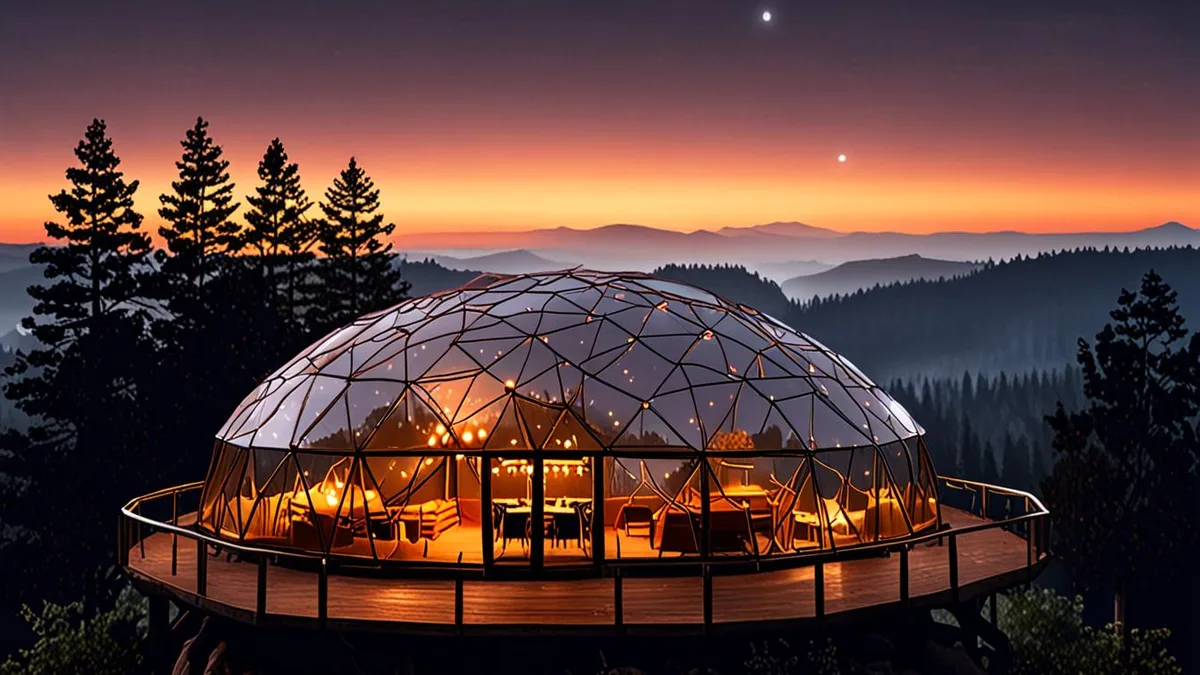
- Luxury glamping, $300–$1,000+ per night: think geodesic domes, stilted suites and full-service resorts with housekeeping, on-site dining and activities. At the top end, the experience rivals a boutique hotel rather than a campsite.
Use these bands as a starting point, then weigh each listing against what it actually includes before deciding if the rate makes sense. A mid-range price that covers a private bathroom, heating and breakfast can be better value than a cheaper site where you end up paying separately for meals and showers. Read the full inclusions list and recent guest reviews, and you will soon get a feel for what a fair rate looks like at each level.
What Drives the Price: Structure, Location and Service Level
The single biggest factor in what you pay is the structure itself. Safari tents and yurts are the workhorses of the glamping world: they are relatively quick to set up and maintain, so operators can charge less while still offering comfort. They dominate the budget and mid-range bands, and they are what most first-time glampers end up booking.
At the other end of the scale, treehouses, geodesic domes and overwater-style stilted structures sit at the top of the price range. These builds cost far more to construct and maintain, they are usually limited to a handful of units per site, and the novelty factor lets operators charge a premium. If a listing shows you standing on a deck in the treetops, expect the rate to reflect it.
Location adds a premium of its own
Where the site sits matters almost as much as what you sleep in. Destinations near national parks, coastlines or iconic landscapes typically command noticeably higher rates than comparable rural inland sites, sometimes by half or more. The same safari tent can carry a very different nightly price depending on whether it faces a canyon, an ocean or a neighbor’s fence.
Service level sets the final bracket
Finally, look at what the operator provides. A self-catering site with a shared kitchen keeps costs down, since you are essentially paying for the bed and the setting. All-inclusive service with chef-prepared meals, daily housekeeping and spa access pushes a stay firmly into the luxury bracket, regardless of the tent style. That is why two listings with similar photos can sit in completely different price bands. When comparing prices, always check which of these three levers, structure, location and service, is doing the work, and decide which one you are actually willing to pay for.
How Season and Timing Change Glamping Rates
Glamping is a seasonal business in most regions, and rates swing accordingly. Peak season, which runs roughly June to August in the Northern Hemisphere, can push rates 30–50% above low-season prices. Operators know that summer weeks are when families and holiday travelers book, so discounts are rare and popular sites fill up fast.
Weather plays a role here too. Canvas structures are at their best in warm, dry months, which is exactly when demand, and therefore prices, peak. If your dates are fixed to school holidays, expect to pay top rates and book early.
Midweek stays cost noticeably less
The day of the week matters almost as much as the month. Weekend nights often cost 20–40% more than midweek nights, because operators price for the couples and short-break crowd who arrive on Fridays. A Tuesday check-in can save real money on the identical tent, and sites are usually quieter too, which many guests count as a bonus.
Shoulder months are the sweet spot
For the best balance of weather and price, aim for the shoulder months: May, September and early October. In much of the Northern Hemisphere these months still offer warm days and usable evenings, yet rates sit closer to low-season levels and availability is easier to find. If your schedule is flexible, shifting a trip by a few weeks often makes the biggest single difference to what you pay per night.
When and How to Book for the Best Rate
Glamping rates are not fixed, and the difference between a good deal and an overpriced night often comes down to when and how you book. Unlike big hotel chains, most glamping sites are small operations with only a handful of tents, domes or cabins, so a single busy weekend can sell out an entire property. Popular sites, especially those near national parks or coastlines, can fill up long before the summer crowds arrive. A little planning goes a long way here, and it rarely takes more than an hour of your time.
- Book 2–3 months ahead for summer stays. This is the window when the best tents and domes are still available and rates have not yet climbed. In the final weeks before peak season, popular sites sell out and last-minute prices tend to rise rather than fall. If you have your heart set on a specific structure, such as a treehouse, book even earlier.
- Compare direct booking with platforms. Many operators keep their best rates for their own website, or throw in perks such as free breakfast, a late checkout or a welcome drink when you book direct. Check both channels before committing, and factor in any platform service fees, which can quietly add to the total.
- Look for midweek and early-season promotions. Operators often run offers for Tuesday-to-Thursday arrivals or for the first weeks of the season, and these can meaningfully cut the standard nightly rate. Signing up for a site’s newsletter or following it on social media is usually the easiest way to spot these deals before they sell out.
None of this requires hours of research. A quick price check across two or three booking channels, plus a calendar reminder a few months before your trip, is usually enough to land a better rate. If your dates are flexible, mention that when you enquire directly; some operators will happily move you to a quieter midweek slot for less, especially outside the busiest weeks. It also pays to ask about cancellation terms at the same time, so you know how much flexibility you are buying along with the night itself.
Hidden Costs to Factor Into Your Glamping Budget
The nightly rate is only the starting point of your glamping budget. Many sites sit in remote locations where you cannot simply pop out for groceries, and extras that sound minor can add up quickly over a multi-night stay. Before you book, it pays to think through what the rate does not cover, because two sites with similar nightly prices can end up costing very different amounts once everything is added.
Start with food and transport, which are usually the two biggest hidden costs. Then look at the smaller add-ons, which vary widely between operators. A useful approach is to sketch out a rough daily budget beyond the room rate, so there are no surprises at checkout. Ask the operator directly for a list of what is included and what is billed separately; reputable sites will answer clearly.
- Meals and drinks. If the site is remote with no self-catering option, expect to eat at the on-site restaurant or order set menus. Ask whether breakfast is included and whether you can bring your own snacks and drinks.
- Transfers and car rental. Remote glamping sites are often a long drive from the nearest airport, so you will likely need a rental car or an arranged transfer. Get quotes for both before booking, as lodge transfers can be surprisingly expensive.
- Firewood and extras. If you want an evening campfire, firewood bundles are often sold on site rather than included. Activity add-ons such as kayaking or guided hikes, and pet fees if you bring a dog, are usually charged separately.
None of these extras are a reason to avoid a site, but knowing them in advance lets you compare two similar rates fairly. A slightly higher nightly price with breakfast, activities and firewood included can easily work out cheaper than a lower rate where everything is billed separately.
Is the Glamping Cost Worth It? Matching Price to Experience
Whether glamping is worth the money depends almost entirely on what you are paying for. At the budget end, you are buying comfort over camping: a real bed, solid shelter and someone else handling the setup. At the luxury end, you are paying for design, dining and service comparable to a boutique hotel, often in a setting no hotel could offer. The trick is knowing which bracket you actually need, rather than paying for extras you will never use.
Check what is genuinely included
Two rates that look similar can deliver very different experiences. A mid-range tent with an en-suite bathroom, heating and breakfast included may be better value than a cheaper option where the bathroom is a shared block down the path and meals cost extra. Before judging whether a rate is fair, ask specifically what is included: the bathroom situation, heating or cooling, meals, bedding and any activities. Operators differ widely on all of these, and the listing photos rarely tell the full story.
Read reviews with a critical eye
Recent reviews are your best defense against an overpriced disappointment. Focus on two themes that come up most often in complaints at mid-range sites: cleanliness and weather-proofing. A beautifully styled tent that leaks in the rain or lets in cold drafts is far less appealing than the photos suggest. Look for reviews from guests who stayed in the same season you plan to visit, since a tent that feels cozy in spring can be a different story in a summer heatwave or a storm.
Match the price to the experience you actually want. If you simply want a comfortable night outdoors without the gear, a budget or mid-range site will do the job well. If you are celebrating something special and want chef-prepared meals and a design-led suite, the luxury bracket delivers that, and for a night or two it can be worth every dollar.
Wrapping Up: Budgeting for Your Glamping Trip
So, what does glamping actually cost? As a rule of thumb, expect $50–$120 per night for budget sites with basic tents and shared facilities, $120–$300 for mid-range stays with private bathrooms and furnished tents, and $300–$1,000+ for luxury domes and suites with full service. A fair rate depends less on the number itself and more on what sits behind it: the structure, the setting and the level of service.
Those three factors are the biggest levers on price, along with the season you travel in. If you want the most comfort for your money, book 2–3 months ahead, aim for midweek nights and target the shoulder months when rates soften but the weather usually holds. Get that combination right, and even a mid-range budget can feel like a luxury escape. Have you stayed somewhere that was worth every penny, or wildly overpriced? Share your experience in the comments below.