Summer crowds are gone, the kids are back in school, and winter hasn’t arrived yet — but the calendar still gives you a generous window for glamping in autumn. The tricky part is knowing where to go. Peak foliage in New England typically falls between late September and mid-October, while European spots like Tuscany and the Douro Valley shine in September and October. Pick the wrong region for the wrong week, and you can miss the color entirely.
This guide breaks down the best regions and timing for an autumn trip, from foliage country in North America to harvest season in Europe, plus warmer desert and late-season escapes if you want to stretch the season. We’ll also cover how to choose a stay, what to book and pack, and what to expect from rates — shoulder-season discounts of 10-30% versus summer prices are common in September and early October. Here’s how to plan it right.
Why Autumn Is Prime Time for Glamping in Autumn
Autumn might be the most underrated season for glamping. Once schools are back in session and summer vacations are over, campgrounds and glamping sites quiet down noticeably. In September and early October, most regions see shoulder-season discounts of 10-30% compared to summer prices, which means you can often book a larger tent, a longer stay or a more premium site for the same budget.
The weather plays a role, too. Summer glamping can mean sweating through the night in a canvas tent, but autumn flips that equation. Cool evenings are exactly when a wood stove, a private hot tub or a heated dome stops feeling like a luxury gimmick and starts feeling essential. There is real pleasure in stepping back inside after dark, stoking the fire and listening to the wind while you stay warm.
What each region brings to the season
Beyond comfort and price, autumn gives every destination its own seasonal character. Northern regions put on their foliage displays, drawing travelers to sites surrounded by color. Wine regions move into harvest season, with vineyards busy and local festivals in full swing. Wildlife becomes more active as animals prepare for winter, so even a quiet morning walk from your tent can turn into a sighting.
If you have flexibility in your schedule, aim for September and early October to catch the best mix of lower rates, thinner crowds and peak scenery. Check with individual sites for exact availability, since the seasonal window varies by region.
North America: Foliage Season from New England to the Rockies
Autumn in North America starts in the Northeast. New England and upstate New York put on their foliage show between late September and mid-October, when sugar maples turn red and gold around lakes, covered bridges and mountain passes. Glamping sites here range from safari tents on forested ridges to A-frame cabins with fire pits, and demand during peak color weeks is intense. To get a pick of the best sites, book 4-6 months ahead rather than a few weeks out.
Larches in the Rockies
Head west and the foliage story changes. In the Rockies and the Canadian Rockies, it’s alpine larches that turn a brilliant gold, typically in late September. Daytime hiking stays comfortable, but nights are crisp, often around 0-5°C, so a heated dome or tent with a wood stove makes a real difference. Waking up to frost on the deck and golden larches on the slopes is a fair trade for the chill.
If you miss the northern peak, look south to the Appalachians. Sites at lower elevations in October extend the foliage window into late in the month, with warmer nights than the Rockies and easy access to small mountain towns. Checking elevation is key: higher sites peak earlier, so a lower-elevation stay can stretch your autumn color season by a couple of weeks.
Europe: Harvest Season in Tuscany, the Douro and the Alps
Grape harvest in Tuscany and the Douro Valley
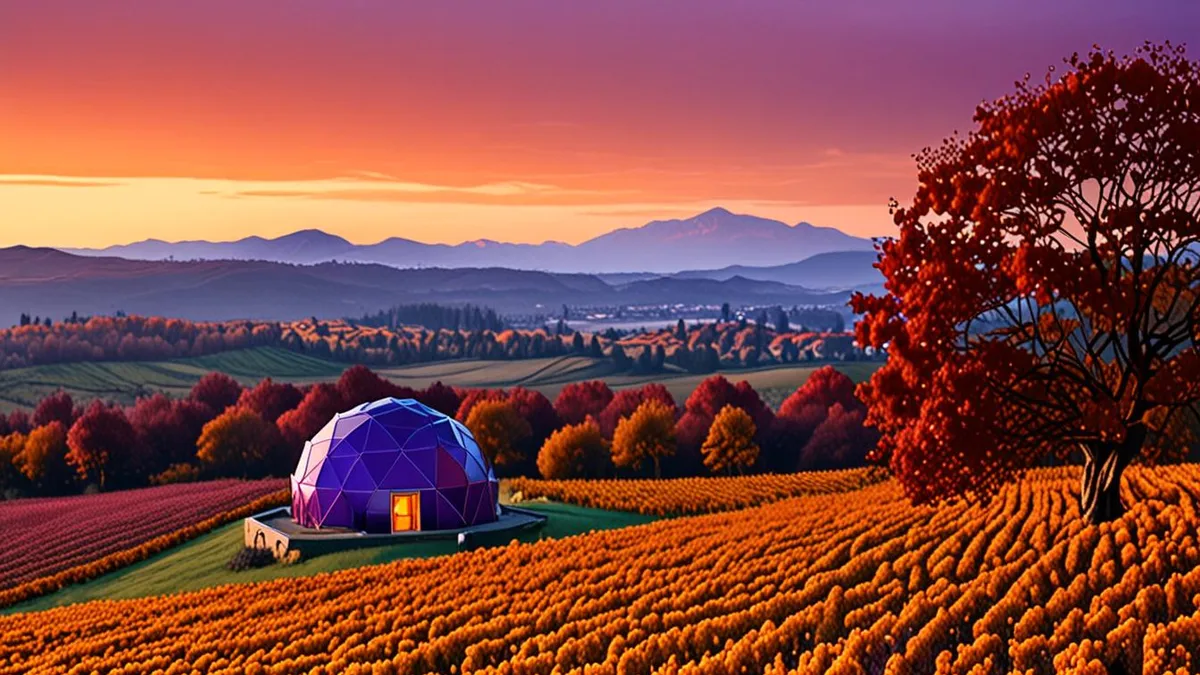
September and October are when Tuscany and Portugal’s Douro Valley hit their stride. The vineyards turn gold and russet, harvest is in full swing, and daytime temperatures sit comfortably between 18-24°C — warm enough for breakfast on the deck, cool enough for a midday walk between villages. Many glamping sites here are set on or near working wine estates, so you can watch tractors haul grapes in the morning and taste the region’s wines in the afternoon.
Because these two regions are the headline acts of European autumn, availability tightens faster than you might expect. A safari tent or dome with a vineyard view books out well before the first leaves turn, so reserve early rather than hoping for a late deal. Shoulder-season pricing still applies in September and early October, but the most scenic sites rarely discount much.
Golden larches in the Alps
The Alps offer a different kind of autumn show. Once summer crowds thin out, October brings golden larch valleys — the needles turn a brilliant yellow that lights up whole hillsides. Alpine glamping sites tend to be quieter and cooler than their Mediterranean cousins, so choose one with solid insulation and heating, and expect genuinely crisp evenings even when the days stay sunny.
If you’d rather stretch the season, the Mediterranean coasts of Spain and Portugal hold their warmth into late October, with daytime highs still around 18-24°C. Open-air safari tents remain a realistic option there well after the Alpine sites have pulled in their decks for winter. Check each site’s exact closing date before you book, as some operators wind down earlier than others.
Warmer Alternatives: Desert and Late-Season Escapes
When the northern foliage season ends, the desert season begins. Places like Joshua Tree in California and Sedona in Arizona can be brutally hot in summer, but by October and November the heat has broken, leaving warm days, cool evenings and some of the clearest stargazing skies of the year. Safari tents and stargazing domes here often come with fire pits and outdoor showers that feel far more inviting once you are not sweating through the night.
Central America works on a similar logic. In parts of the region, autumn marks the start of the dry season, with comfortable days around 25-28°C. That means rivers running clear, trails drying out and rainforest lodges and beachside tents operating at their best before the winter high season pushes prices up.
Who these escapes suit best
These warmer regions are ideal if you missed the September and early October window in New England or the Alps, or if you simply prefer hiking in shorts to bundling up in a wood-stove-heated dome. Availability is usually easier to find at shorter notice too, though it still pays to confirm details with operators before you commit.
How to Choose Your Autumn Glamping Stay
Autumn glamping is a different proposition from summer camping, and the accommodation you pick matters more. Nights can drop below 10°C even when days feel mild, and rain showers are simply part of the season rather than an exception. The payoff is that rates soften too, with shoulder-season discounts of 10-30% versus summer prices common in September and early October. That makes it a smart window for travelers who want a premium-style stay without the premium summer bill.
Before you book, run every candidate site through this checklist:
- Insulation and heating: Insulated domes and safari tents with a wood stove or electric heating keep the interior usable after dark; a tent with only a basic heater will feel thin-walled once temperatures dip.
- Covered outdoor space: A covered deck or lounge area means a rain shower doesn’t end your evening, and it gives you a dry spot for coffee in the morning.
- Hot water reliability: Ask whether showers and sinks run on demand systems or stored tanks, since a cold wash on a 5°C morning is memorable for the wrong reasons.
- Lighting and power: Shorter days mean you’ll spend more evening hours at the site, so good interior lighting and charging outlets matter more than they would in June.
On budget, expect roughly $120 per night for safari tents and $400+ for luxury domes in peak foliage weeks. Prices vary by region and operator, so treat these as a starting point rather than a quote. If you’re flexible on dates, midweek stays often land below weekend rates, and asking directly about autumn promotions can occasionally surface deals that never appear on booking platforms. Confirm what’s included too, since firewood, bedding upgrades and early check-in are sometimes add-ons at this time of year.
Booking and Packing for an Autumn Trip
Autumn trips reward early planning more than most glamping bookings, because the best-heated units are limited in number and foliage weeks concentrate demand into a short stretch of the calendar. Unlike summer, when a site might have twenty bookable weekends ahead of it, an autumn season runs only from September through November, and the most popular stretch within it can pass in a matter of days. Operators with just a handful of domes or safari tents often fill their prime units first, which means the travelers who wait for a forecast or a price drop frequently end up choosing from the leftovers. Work through the steps below in order, and the trip largely organizes itself.
- Lock in your dates first. Foliage timing drives everything else, so decide whether you’re targeting a general autumn getaway or a specific peak week before contacting any site.
- Book at the right lead time. Two to three months ahead is enough for most autumn dates, but foliage peak weeks in late September to mid-October need four to six months of lead time to get your pick of units.
- Match the unit to the weather. Confirm heating, insulation and covered space in writing when you book, not on arrival, so you have recourse if the listing doesn’t match reality.
- Read the cancellation terms carefully. Flexible rebooking often costs a small premium, and autumn weather makes that premium easy to justify.
- Pack for the full range. Plan for swings from 0-24°C: thermal base layers, a warm hat for evenings and waterproof outerwear cover nearly every autumn scenario.
One last habit worth building: check the operator’s current policies and any local conditions a week before departure. Roads, seasonal facilities and weather can all shift in autumn, and a five-minute check saves a lot of scrambling on arrival day. A quick call about road access is especially useful in rural areas, where unpaved routes can turn muddy after heavy rain. If you’re crossing borders, take a moment to confirm current entry requirements as well, since these change more often than you might expect. Finally, save the operator’s direct contact details on your phone before you leave; cell coverage at rural glamping sites can be patchy, and having the number handy means you can call from the last reliable spot on the drive in if anything goes wrong.
Wrapping Up Your Autumn Glamping Plans
So where should you go when summer crowds fade and winter hasn’t arrived yet? The answer depends on what you want most. For peak color and crisp nights, aim for northern foliage regions between late September and mid-October. For warmth, harvest flavors and milder days, Tuscany and the Douro Valley shine in September and October, while desert escapes come into their own later in the season.
Match the region to your month and budget, then lock in early: booking 2-3 months ahead covers most autumn trips, though foliage peak weeks need a longer lead time. Choosing a heated, weather-ready stay means cool evenings become part of the charm rather than a drawback, and shoulder-season rates often stretch your budget further than a summer booking would. Wherever you land, autumn rewards a little planning with some of the best glamping conditions of the year. Have a favorite autumn spot, or a question about your trip? Leave a comment or share this article.