Planning a trip and torn between a lodge and a hotel? You’re not alone. The lodge vs hotel decision can make or break both your experience and your budget, because these two styles of accommodation are built around completely different promises. A lodge puts the destination itself at the center of your stay, while a hotel puts convenience and flexibility first.
This guide walks you through the core differences, from setting and atmosphere to service style, real costs, and booking timelines. We’ll also match each option to specific trip types, whether you’re planning a honeymoon, a family city break, or a slow week in the wilderness. By the end, you’ll know exactly which one suits the trip you have in mind, and how to compare value beyond the nightly rate.
Lodge vs Hotel: The Core Differences at a Glance
At the simplest level, the lodge vs hotel question comes down to purpose. Lodges are small, destination-focused properties, often with just 10-50 rooms, built around a natural setting such as a rainforest, savannah or lakeshore. The lodge exists because of where it is: guests travel there to experience that specific landscape, and everything about the property is designed around it.
Hotels work the other way around. They prioritize location and convenience, typically ranging from 100 to 500+ rooms, and you’ll find them in city centers, resort strips and transit hubs. A hotel is a base for what surrounds it, not a destination in itself.
How they price and package differently
The other big difference is how you pay. Lodge stays usually bundle meals, guided activities and airport or camp transfers into one rate, so the price you see is close to the price you’ll pay. Hotels sell rooms, dining and extras separately, which keeps the headline rate low but leaves you to assemble the experience yourself. Neither model is better on its own; what matters is which one matches how you like to travel.
Setting and Atmosphere: Immersion Versus Access
Lodges trade convenience for immersion, and that’s the whole point. Expect wildlife at dawn from your veranda, star-filled skies with no light pollution, and distances of 30-120 km from the nearest town. When you stay at a lodge, the landscape becomes your entertainment, your restaurant view and your morning alarm clock all at once.
What a hotel location gives you
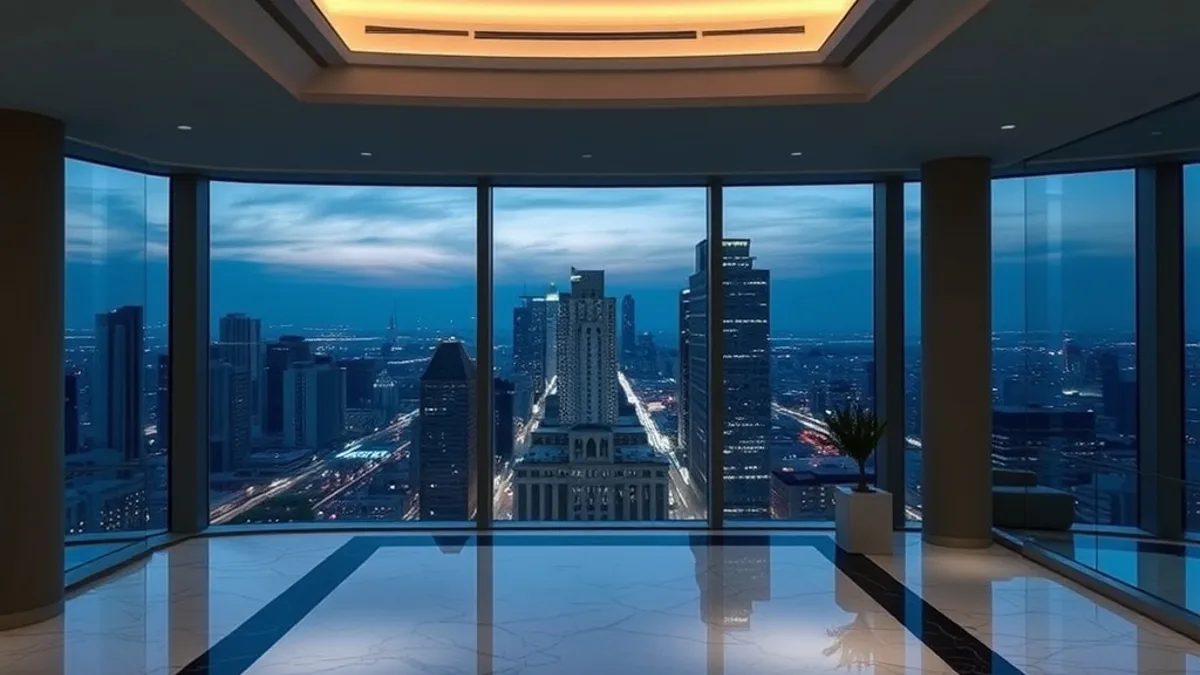
Hotels put you within 1-3 km of restaurants, museums and nightlife, which makes them ideal for short city breaks. You can walk out the door and into a gallery, grab dinner without a transfer, and change plans on a whim. Nothing is scheduled for you, and everything is within reach.
The choice, then, is about what drives your itinerary. Choose a lodge when the landscape is the main attraction and you’d happily spend days watching elephants come to a waterhole or hiking a forest trail. Choose a hotel when sightseeing and dining out are the reason you booked the trip in the first place. If you’re honest about what you actually want from each day, the right option usually becomes obvious.
Service Style and Daily Rhythm
Lodge stays follow a structured rhythm that shapes your whole day. Game drives or guided walks typically run at dawn and late afternoon, when wildlife is most active, and communal meals are served at set hours where everyone gathers at one long table. Between activities there are set windows for rest, tea or a swim, and staff will gently remind you when it’s time to head out. It’s a schedule you plan around, not one you fight, and most travelers find the rhythm becomes part of the charm by the second day.
Hotels offer the opposite: flexible, anonymous service with 24-hour dining, room service and no fixed program. You can eat at midnight, skip breakfast entirely, and go days without speaking to staff beyond the front desk. If you want to sleep in, change plans on a whim or spend the afternoon shopping, nothing on the property pushes back. For travelers who dislike schedules, that freedom is the main selling point.
Lodge staff-to-guest ratios are high, which produces service that is both highly personalized and socially immersive. Your guide learns your interests, the manager remembers your preferences, and fellow guests become part of the experience. Here’s what that means in practice:
- Your guide adapts to you. With the same guide for several days, drives can shift toward birding, photography or big cats based on what you ask for.
- Meals become social events. Communal dinners mean swapping sightings and stories with other guests, which many travelers find is half the fun of a lodge stay.
- Quiet hours are real. Because wildlife and remote settings set the pace, evenings tend to end early, with lights-out often shortly after dinner rather than midnight.
What You Actually Pay: Rates, Inclusions and Hidden Costs
The price gap between lodges and hotels looks dramatic at first glance, but it shrinks fast once you count what is actually included. All-inclusive lodge rates typically run $300-1,500 per person per night depending on the region and the level of remoteness. That number covers meals, drinks in many cases, professional guides, and most on-site activities such as game drives or guided walks.
Hotel nightly rates almost always look cheaper. A well-located city room might cost a fraction of a lodge night, which is why many travelers assume hotels are the budget option. Over a 4-7 night stay, though, the extras pile up: breakfast, dinners, airport transfers, day tours, and activity fees are all billed separately.
Run the real math before you book
The smartest comparison is total trip cost, not the headline rate. A $600 lodge night with everything included can easily beat a $250 hotel room that comes with a $400 daily spend on meals, transport and tours. By day four, the hotel stay has cost more, and you still have not had a guide waiting for you at sunrise.
Two practical tips: first, ask lodges exactly what the rate excludes, since premium drinks, spa treatments and private guides are often billed on top. Second, when quoting hotels, add a realistic daily extras budget for your destination rather than trusting the room rate alone. Once you compare like for like, the lodge premium is often smaller than it appears, and the value per experience can be considerably higher.
Booking Windows and Cancellation Terms
Lodges and hotels behave very differently when it comes to availability and fine print, and this is where many trips go wrong. A small wilderness property with a dozen rooms can sell out a full season in advance, while a large city hotel usually has inventory to spare and prices that soften closer to arrival. The booking order matters too: if you reserve your hotel first and then discover your dream lodge is full, you may end up rearranging flights or settling for a less appealing property. It pays to work backwards from the hardest booking to secure. Follow a simple sequence when planning a mixed trip.
- Fix your dates first. Lodge availability hinges on seasonality, so lock down travel dates before you approach any property. This is especially true for African safari regions in June-October and rainforest destinations in December-April, when demand peaks and room counts are small.
- Reserve wilderness lodges 6-12 months ahead. Safari and wilderness lodges commonly require this lead time for high season, because a small number of rooms combined with high demand leaves little flexibility. Popular properties may have just a handful of units in each room category.
- Book city hotels closer to arrival. Urban properties can often be reserved 1-3 months out, and last-minute deals are common outside major events and holidays.
- Read the cancellation terms line by line. Hotels usually offer flexible cancellation 24-72 hours before arrival. Lodges often require 30-60 days notice, and some ask for a larger deposit upfront.
- Match your booking order to your risk. If your flights are changeable, book the lodge first since it is the hardest to replace. If flights are locked in, secure the lodge early and fill in hotels later.
One more detail worth checking before you commit: whether the lodge rate is refundable at all, or only transferable to another date. Policies vary widely between small independent properties, and some distinguish between peak and low season bookings when applying penalties. A quick email to reservations, asking exactly what happens if you need to shift your dates by a week or cancel outright, can save you an expensive misunderstanding later. Get the answer in writing and keep it with your booking confirmation.
Matching the Stay to Your Trip Type
The right choice depends less on the property itself and more on what kind of trip you are taking. A honeymooning couple and a family with toddlers can visit the same region and need completely different bases. Before booking, be honest about your priorities: seclusion and guided experiences, or flexibility and easy logistics.
For honeymoons and nature-focused trips, a lodge’s seclusion and its guided experiences usually justify the premium. Waking up to wildlife on your doorstep and having expert guides on hand is exactly what those trips are about. For wellness and slow-travel breaks, lodges set in thermal, forest or spa-focused settings reward longer stays, and a 5-7 night booking gives the pace time to work. If soaking in warm water under an open sky sounds appealing, you can wander across rooftop thermal springs in Tuscany for a taste of what a well-chosen wellness setting can deliver.
Where hotels clearly pull ahead is convenience, and the list below shows which trip types benefit most:
- Family trips with young children: hotels offer flexible meal times, adjoining rooms and predictable logistics, so a skipped nap or a late dinner never becomes a problem.
- Short stopovers: a hotel near an airport or rail hub can save hours of transfer time when you have less than a day on the ground.
- Multi-city itineraries: city hotels put you within easy walking distance of restaurants and sights, letting you cover more ground without a car.
- Trips built around dining and nightlife: being steps from the action matters more than sunrise game drives, and hotels keep late nights easy.
Many travelers end up mixing both on the same trip: a lodge for the nature-focused heart of the journey, then hotels for the cities before and after. That combination often delivers the best of each style without forcing a compromise. If your route includes a long-haul flight, it also helps to book the hotel segment with flexible terms, since arrival delays are far more common on complex itineraries than on a single lodge transfer arranged for you.
Wrapping Up: Choosing Between Lodge and Hotel
So, which one suits your trip? If your journey is built around nature, slow travel or a special occasion like a honeymoon, a lodge usually delivers the better experience: deeper immersion in the landscape, personalized service and one rate that covers meals and activities. If you’re planning a city break, a short stopover or a multi-city itinerary, a hotel wins on location, flexibility and the freedom to be spontaneous.
Whichever way you lean, compare the total trip cost rather than the nightly rate, and remember that safari and wilderness lodges often need to be reserved 6-12 months ahead for peak season. Match the stay style to the purpose of your trip, and you’re unlikely to regret it. Still torn between the two? Share your trip plans in the comments below, or pass this article along to a travel companion.