If you have ever compared two safari lodge quotes and wondered why one costs three times the other, you are not alone. Safari lodge pricing looks baffling at first glance: rates swing dramatically between high and low season, and what is bundled into the nightly figure varies from property to property. One lodge’s “all-inclusive” might cover everything except champagne, while another quietly adds conservation fees, drinks and laundry to your final bill.
This guide breaks down exactly how lodge rates are structured, what a fair price looks like in each season, and how far in advance you should book. We will walk through the difference between dry and green season travel, match lodge styles to the kind of trip you want, and flag the fine print that trips up first-time safari bookers. By the end, you will be able to compare quotes like for like and pay for what you actually want, not what a brochure implies.
How Safari Lodge Rates Are Structured
The first thing to understand is that most lodges quote per person per night sharing, not per room. If a lodge lists a nightly rate per person, a couple will pay double that figure for the room. Solo travelers often face a single supplement as well, so it pays to ask how your specific party will be priced before you get attached to a property.
What “fully inclusive” usually means
Fully inclusive rates typically bundle accommodation, all meals, house drinks and two shared game drives daily. That covers most of what you will actually do on safari, which is why many travelers prefer this basis over cheaper-looking options that charge for every activity separately.
That said, the definition is not uniform. Premium drinks, private vehicles, bush walks and laundry are the items most frequently left outside the rate, and they can add up quickly if you use them daily. Ask the lodge or your agent to spell out exactly what is included, in writing, before you commit.
The fees that arrive later
Conservation and park fees are frequently billed separately from the nightly rate, and they are charged per person per day. On a week-long trip for two, the extra cost can be substantial, so make sure any quote you receive states clearly whether these fees are included or additional. These fees change regularly, so check the current rate with the lodge, your operator or the relevant park authority rather than relying on an old quote. A lodge that looks expensive but bundles its fees may actually be the better deal once everything is tallied up.
Choosing Your Season: Dry Season vs Green Season
Timing shapes both your wildlife experience and your budget more than almost any other decision. In East Africa, the prime game-viewing window is June to October, when vegetation thins out and animals gather at water sources. July to September is the peak period for the Great Migration river crossings in the Masai Mara, when herds brave the crocodile-filled Mara River and the drama draws crowds and premium rates alike. If seeing those crossings is your priority, a stay at a property overlooking the plains during those months is unforgettable, though you will pay for the privilege.
Southern Africa’s dry winter
Southern Africa runs on a slightly different calendar. The dry winter months of May to October deliver the best wildlife sightings around Kruger-area reserves, as sparse bush and shrinking waterholes make animals easier to find. Days are mild and mornings can be genuinely cold on open vehicles, so pack layers.
Why the green season deserves a look
The green season, running November to March in East Africa and November to April in the south, brings lush scenery, newborn animals and dramatic skies that photographers love. Rates often run 30-50% below peak, which can turn a stretch of lodges you could never afford in high season into a realistic option. The trade-off is honest but real: afternoon rains and thicker bush can make sightings harder, and some animals disperse away from water sources. For travelers who value value over guaranteed big-cat encounters, it is a rewarding time to go.
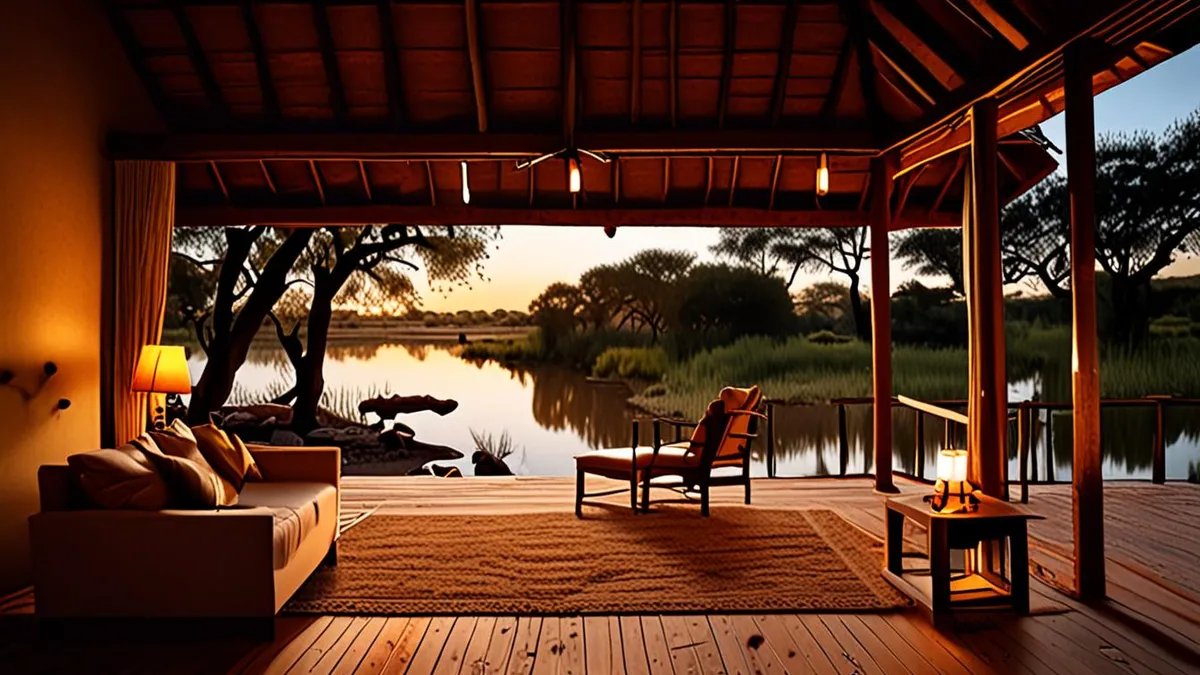
One Kenya lodge with sweeping views over the Mara shows how rewarding a well-sited property can be, whatever the month.
Booking Lead Times That Actually Matter
Safari lodges are not hotels with rooms to spare; the best properties have a fixed, small inventory that vanishes quickly. For peak-season travel, reserve your lodge 9-12 months ahead. This is especially true for July-September Masai Mara dates and Kruger winter dates, when demand from migration chasers and dry-season regulars collides with a limited number of tents and suites.
Green season stays are a different story. They are usually bookable 3-6 months out, and lodges are often more open to extended-stay deals during these quieter months. If you are flexible on dates and willing to stay four nights or more, it never hurts to ask about a long-stay rate.
One rule of thumb matters more than any other: small camps of 6-12 tents sell out first, so earlier booking matters more than lodge size or brand. A famous name with 40 rooms may have availability in August while a beloved eight-tent camp is full a year out. Beyond timing, a few practical details deserve attention:
- Group size changes your options. Families or groups of six or more may need multiple tents or an exclusive-use arrangement, which shrinks availability faster and should be confirmed at the same time as your dates.
- Ask about waitlists. Many small camps keep informal waitlists for peak-season dates, and cancellations do happen, so being on a list can rescue a trip that looked fully booked.
- Confirm the season at booking. Some lodges straddle two rate periods, so make sure your quote reflects the correct seasonal rate for your exact arrival date rather than a generic figure.
What a Fair Price Range Looks Like
Safari pricing can look wildly inconsistent until you realize you’re often comparing apples to oranges. At top-end lodges during peak season, expect rates commonly spanning $800 to $2,000+ per person per night. That headline number usually reflects a fully inclusive basis, so it covers your stay, everything you eat and drink from the standard bar, and the twice-daily game drives that anchor each day.
The same properties typically drop to $300-600 per person per night in green season, which is why shifting your travel dates is the single most effective way to make a dream lodge affordable. You’re getting the same rooms, guides and kitchens, just with lusher scenery and a chance of afternoon rain.
Don’t forget the transfers
The nightly rate is only part of your real total. Most remote camps are reached by light aircraft, and those hops typically cost $150-400 per person per leg. A couple flying in and out of a multi-camp itinerary can easily add well over a thousand dollars in transfer costs, so build them into your budget from the start rather than treating them as a surprise.
Finally, compare quotes on the same inclusion basis. A lodge quoting $450 excluding drinks, laundry and park fees can end up costing more than a $550 quote that bundles everything. Most reserves also charge a conservation or park entry fee that operators bill separately, and the amount changes regularly, so ask for the current rate and have it added to your quote. Then ask each operator to itemize exactly what’s inside the rate and put the numbers side by side before you decide.
Matching the Lodge Style to Your Trip
The style of lodge you choose shapes your entire safari experience, so match it to what you actually want from the trip. Permanent lodges with solid walls, reliable power and proper bathrooms suit first-timers who want comfort after a long day of game drives. Mobile tented camps trade some of that polish for something more valuable in the right spot: proximity to wildlife, with canvas close enough to hear hippos and lions at night.
Location type matters just as much. Lodges inside private concessions can usually offer night drives and off-road tracking, which means following a leopard into thick brush or watching nocturnal predators at work. Lodges inside national parks generally have to stick to stricter game-drive rules, staying on roads and respecting gate times, but they cost less, which can free up budget for extra nights.
Size is the other big variable. Small camps of 6-12 tents offer intimacy, flexible schedules and shared dinner tables where everyone compares sightings. Larger lodges add spas, pools and dedicated family facilities. If you want a sense of how atmospheric a small, characterful camp can be, see this look at Cottar’s 1920s Camp in Kenya.
- Child policies vary sharply. Some camps refuse children under 12 entirely, while others offer family tents and dedicated junior ranger programs, so confirm before booking.
- Vehicle sharing affects your game drives. At smaller camps you may share a vehicle with strangers whose interests differ from yours; ask how many guests ride per vehicle and whether a private vehicle can be arranged.
- Small groups have leverage. Parties of four to six can often fill an entire vehicle, effectively guaranteeing private game drives worth negotiating for.
Reading the Fine Print Before You Pay
Before you pay any deposit, read the terms as carefully as you read the brochure. Cancellation windows matter most in peak season: deposits are often non-refundable within 60-90 days of arrival, and some high-demand camps require full payment even earlier. If there’s any chance your dates could shift, ask about travel insurance and what happens if you need to move a booking rather than cancel it outright.
Baggage and transfers
Light-aircraft transfers come with strict baggage limits, typically 15 kg per person in soft-sided bags. Hard-shell suitcases genuinely won’t fit in the small cargo holds, and overweight luggage can mean waiting for a later flight or paying excess fees. Pack duffel bags and check whether laundry is included at each camp, since that lets you carry less.
Get clarity on activities too. Ask exactly which experiences are included in your rate and what a private vehicle or guided bush walk costs if booked on site. Add-ons can be worthwhile, but you want to know the price before you arrive, not after.
Above all, request a total quote that includes conservation fees and transfers. Two lodges can look similarly priced per night yet differ by hundreds of dollars once park fees, drinks and flights are added. Comparing complete, like-for-like totals is the only way to know which lodge truly offers better value for your dates.
Wrapping Up Your Safari Lodge Decision
Once you start collecting quotes, the numbers can swing wildly by season, and what each lodge bundles into its rate varies enormously. The fix is to compare offers on the same inclusion basis, and to factor in conservation fees and transfer costs rather than judging by the nightly rate alone. With those extras on the table, a cheaper-looking quote often turns out to be the more expensive trip overall.
Then match your travel month to the season. June to October delivers the best game viewing in most regions, while the green season trades some sightings for lower rates and lush scenery. Book 9-12 months ahead for peak-season dates, and before paying anything, confirm the cancellation terms and the baggage limits on your light-aircraft transfers. If this helped you plan your safari, leave a comment or share the article with a fellow traveler.