Many first-time jungle guests book a rainforest lodge expecting a standard resort experience, then discover that climate, isolation and daily rhythm work completely differently than at a beach or city hotel. Trails get muddy, wildlife follows its own schedule, and the nearest shop may be hours away by boat. A little preparation makes the difference between a frustrating trip and an unforgettable one.
This guide walks you through everything worth knowing before you go: picking the right season, booking and planning the long final transfer, packing for heat and humidity, what daily lodge life actually feels like, how to behave around wildlife on guided outings, and staying healthy and comfortable far from a pharmacy. Read it before you commit your dates, and the jungle will feel like an adventure instead of a surprise.
Choosing the Right Season for a Rainforest Lodge Stay
Timing shapes almost everything about a rainforest lodge stay. In most rainforest regions, the drier windows typically run from June to September and again from December to February. During these months, trails are firmer underfoot, rivers are easier to navigate, and animals tend to concentrate around water sources, which makes sightings more frequent and more predictable. Guides can also reach remote spots that become impractical when water levels rise.
What the wet season is really like
The wet season has a reputation it does not entirely deserve. In most areas, rain arrives as daily afternoon downpours lasting around 1-2 hours rather than an all-day soak. Mornings are often clear and productive for wildlife, and you can plan excursions around the pattern. The trade-offs come in the form of softer trails and more mosquitoes, but you gain noticeably lower rates, fewer guests at mealtimes, and a forest at its greenest and loudest.
Shoulder months, the stretches just before and after each dry window, can offer a sensible middle ground. Prices usually sit between peak and low season, trails are generally manageable, and you keep a decent chance of good sightings without paying top rates. If your dates are flexible, ask lodges how conditions typically look in your target month before committing.
Booking and Getting There
Sought-after rainforest lodges fill up fast for dry-season dates, so reserve 6-12 months ahead if you want a specific room or a peak-season week. Popular small lodges may have only a dozen cabins, and group departures for transfers and guides are capped, so late bookers often get shuffled to less convenient dates or miss out entirely.
Budget between $250 and $1,500 per night depending on the lodge and region. The good news is that most rates are effectively all-inclusive for the jungle: meals, guided excursions and sometimes transfers are bundled into the nightly price, so your main extra costs are drinks, tips and optional specials. To see how one property puts this package model into practice, read our journey through rainforest beauty at a Gaia Amazon lodge.
The final leg deserves real planning. Many lodges sit 2-5 hours from the nearest airport by road, boat or small plane, and that journey is often the most memorable part of the trip. Before you confirm, work through these details:
- Ask whether the transfer is included in your rate or billed separately, since boat and charter costs can add up quickly for couples or families.
- Check which days boats or charter flights operate, because some run only on set days and a mismatched arrival can force an overnight near the airport.
- Confirm luggage limits in advance, as small aircraft and river boats often restrict bags to soft duffels with strict weight caps.
- Find out what happens if your incoming flight is delayed, and whether the lodge or operator will rebook you on the next departure.
What to Pack for the Jungle
Jungle packing is about managing heat, moisture and insects rather than style. Daytime temperatures hover around 25-32°C with humidity often above 80 percent, so cotton stays damp for hours and becomes miserable on the trail. Choose quick-dry synthetic or merino clothing, and favor long sleeves and long trousers: they protect against sun, mosquitoes and scratchy vegetation far better than shorts and a t-shirt. Neutral earth tones are a smart pick too, since bright colors can make it harder to blend in quietly on wildlife walks.
Footwear and gear matter just as much. Trails stay muddy even in the dry season, and electronics fail fast in tropical humidity. Beyond the basics, round out your kit with these items:
- Waterproof hiking boots or rubber boots, plus a pair of sandals or camp shoes so wet footwear can dry overnight.
- A light rain shell that packs down small, since afternoon showers arrive quickly and ponchos provided by lodges vary in quality.
- Insect repellent with a proven active ingredient, applied to skin and clothing, plus a head net if you are sensitive to bites.
- A dry bag or waterproof pouches for phones, cameras, passports and spare batteries, since boat transfers and downpours both send water flying.
- A headlamp with spare batteries, as paths between cabins are often unlit after dark.
One counterintuitive rule: pack for 7-10 days even on a shorter stay. Laundry service at remote lodges is often limited, slow or weather-dependent, since nothing dries quickly in air this humid. Extra shirts and socks weigh little and save you from wearing damp clothes two mornings in a row. A small daypack for excursions, a reusable water bottle and a few spare zip-top bags round out a kit that will handle whatever the forest throws at you.
Life at the Lodge: Rhythm and Comforts
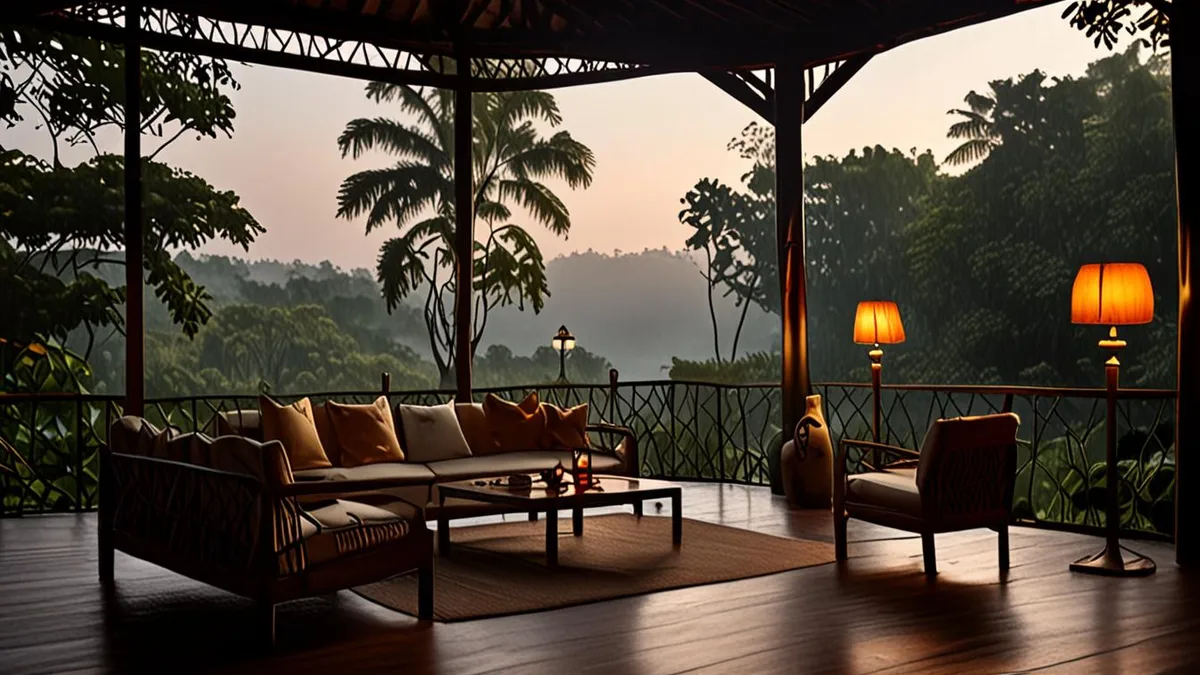
If there is one thing that surprises first-time jungle guests, it is how early the day begins. Guided excursions usually depart around 5:30-6:00 am, because dawn is when wildlife is most active and the air is still cool. The upside is that most lodges also build in a long midday break, so you can nap, read in a hammock or simply watch the rain from the covered deck.
Comfort levels are simpler than at a city hotel, and that is part of the charm. Many lodges run on generator power, often switching it off for part of the day or night, and Wi-Fi is typically limited to the main lodge or unavailable altogether. Meal times are set, so plan your day around them rather than expecting room service. Some properties, like the ones described in a rainforest lodge built around quiet and stillness, treat this disconnection as a feature rather than a compromise.
Open-air living, by design
Most rainforest lodges use open-air construction: wide screened windows, open walkways and dining spaces that let the forest in. That means you will hear howler monkeys before sunrise, feel humidity well above 80 percent and occasionally share your veranda with an insect or two. None of this is a flaw; it is the whole point of staying in the jungle. Close your door at dusk, keep your flashlight handy and let the sounds of the forest become the soundtrack of your stay.
Guided Activities and Wildlife Etiquette
Wildlife viewing in the rainforest follows a rhythm, and the prime windows are dawn and late afternoon. Most lodges send their first groups out before sunrise, then run a second round in late afternoon when temperatures drop and animals become active once more. Book both slots, and vary the format: one day a guided walk, the next a canopy tour or a river excursion by boat. Each setting reveals different species, from treetop birds to riverside caiman.
Let your guide lead
Your guide is the reason you will see anything at all, so follow their lead on distance, noise and photography. Keep your voice low, stay on the trail and never ask to move closer for a better shot. Flash photography around nocturnal animals can startle or harm them, so switch it off when your guide asks. A good rule of thumb: the quieter and more patient the group, the more the forest shows itself. Guests who embrace this slower pace, like those described in a morning of rainforest seclusion in Ethiopia, often come away with the most memorable sightings.
Sign up for the extras
Many lodges offer night walks and early birding outings, and these are often the highlights of the whole stay. The catch is that they frequently need advance sign-up at the lodge, sometimes the day before and sometimes with a cap on group size. Ask about the schedule at check-in and put your name down for anything that interests you before the slots fill up.
Health, Safety and Staying Comfortable
A little preparation goes a long way toward keeping a jungle stay comfortable rather than stressful. Start with your health: book an appointment at a travel clinic well before departure to discuss recommended vaccinations and insect precautions for your specific destination. Requirements and recommendations vary by region, and some vaccines need multiple doses spread over weeks, so do this early rather than the week before you fly.
Water is the next thing to get right. Drink only filtered or provided water, which most lodges supply through refillable stations in the dining area or your room. Bring a refillable bottle, skip ice if you are unsure how it was made, and be cautious with raw produce at very small lodges if staff have not confirmed it is washed in filtered water.
A few comfort essentials worth carrying
- A compact first-aid kit: pack blister plasters, antiseptic wipes and a few bandages, since wet trails and long walks are the most common cause of minor injuries at lodges.
- Oral rehydration salts or electrolyte tablets: heat and humidity above 80 percent mean you sweat far more than usual, even on short walks.
- A copy of your travel insurance details: keep a printed version in your daypack, since remote lodges often have patchy connectivity when you need to look up a policy number.
Finally, use the safe in your room or at reception for passports, spare cash and electronics. Most lodges provide one, and it removes any worry while you are out on excursions for hours at a time. Keep just enough cash for tips in a zippered pocket and you are set.
Wrapping Up Your Rainforest Lodge Plan
A rainforest lodge is nothing like a beach or city resort, and that is exactly the point. The climate, the isolation and the daily rhythm all ask a little more of you, but they give back far more in return. Travelers who aim for the June-September or December-February dry windows and book 6-12 months out tend to get the trails, the wildlife and the rooms they hoped for.
The rest comes down to mindset and preparation. Packing quick-dry layers for heat and humidity, embracing 5:30-6:00 am starts when the forest is at its liveliest, and planning for that 2-5 hour transfer from the airport all turn jungle logistics into part of the adventure rather than obstacles. Do that, and your first lodge stay will feel less like a gamble and more like the trip of a lifetime. Have a rainforest lodge on your list, or already been? Share your plans or stories in the comments below.