Booking a safari lodge can feel like a puzzle with moving pieces. Many travelers pick a stunning camp first and a travel date second, only to discover they have either paid peak-season prices for a mediocre wildlife moment or arrived in a month when the animals they dreamed of have moved on. The gap between a good safari and an unforgettable one often comes down to when you book African lodges, not just where.
This guide walks you through the decision in the right order: why timing matters so much, what the dry and green seasons actually deliver, and when the Great Migration’s calving and river crossings happen. We will also cover how far in advance to reserve, why shoulder months like June and November can be the smartest compromise, and how to match your season, budget and booking window into one plan. By the end, you will know which month fits the wildlife you want to see, and when to lock in your room.
Why Timing Matters When You Book African Lodges
The same lodge can feel like two completely different safaris depending on the month you visit. Wildlife concentrations shift dramatically with rainfall: animals that cluster tightly around a river in the dry months scatter across wide areas once the rains arrive and water becomes plentiful everywhere. A camp that delivers nonstop game viewing in August may require far more patience in December, through no fault of the lodge itself.
Timing also shapes your wallet and your room options. Demand peaks between July and October, which means the best suites sell out first and rates sit at their highest. Travelers who book late in the year for a peak-season trip often find their preferred camp full and end up settling for a lesser room or a less well-located property.
Choose your wildlife first, your lodge second
Because of this, matching your travel month to the wildlife you want to see should come before choosing a specific lodge. Big cats, river crossings, newborn animals and birdlife all have their own calendars. Once you know what you want to see and when it is most likely, you can filter lodges by location and availability with confidence, rather than falling in love with a camp that cannot deliver your safari at the time you can travel.
Dry Season: The Classic Wildlife Viewing Window
The dry season is when African safaris earn their legendary reputation. In East Africa, June to October brings sparse vegetation and shrinking water sources, so animals gather at rivers and waterholes in growing numbers. With the grass thinned out, there is simply less cover to hide game, and your guide can spot lions, elephants and giraffes from much greater distances.
Southern Africa follows a similar rhythm on a slightly different schedule. May to September offers cool, dry days that are comfortable for long game drives, with August through October the strongest months for wildlife viewing around water sources. As seasonal pans dry up, game concentrates at permanent water, and predator action follows the herds.
The trade-offs to accept
The conditions themselves are a major draw: clear skies, crisp mornings, and far fewer mosquitoes than in the wetter months. For many travelers, this combination of easy game viewing and comfortable weather is exactly what a safari should feel like.
The cost, however, is competition. This is the most popular time to travel, so expect the highest lodge rates of the year and the busiest parks. Popular waterholes and river crossings can attract a line of vehicles, and the most sought-after camps are often fully booked well in advance. If you want the classic dry-season experience, plan early and budget accordingly.
Green Season: Lower Rates and Lush Landscapes
The green season, roughly November to March, is the safari world’s best-kept secret. Rain transforms the bush into a lush, emerald landscape, and dramatic skies build and break across the plains in ways photographers dream about. Storm light at golden hour, dust-free air and vivid green grass make for some of the most striking images you will ever capture on safari. It is also baby season, with newborn antelope, zebra and wildebeest adding constant energy to the savanna, and the abundance of young animals draws predators into the open more often than you might expect.
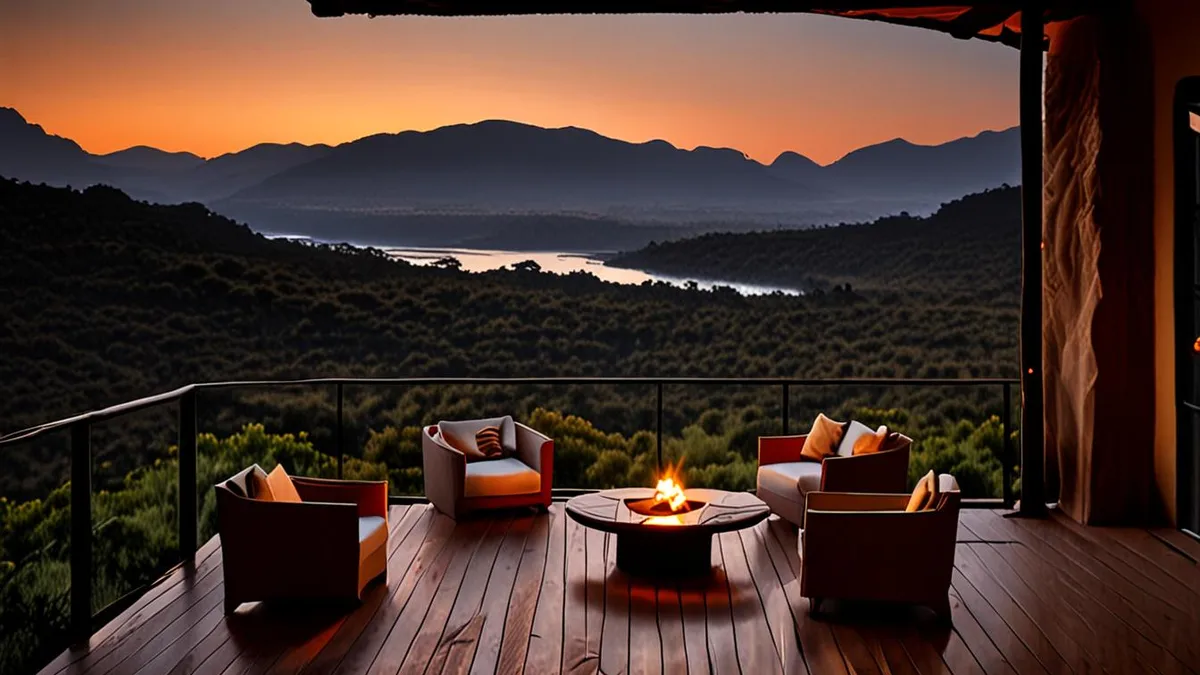
Your budget stretches much further at this time of year. Lodge rates typically drop 30-50% compared with peak season, which can mean the difference between a standard room and the suite you actually wanted, or an extra night or two on the same budget. Camps are noticeably quieter, which often means more attentive service, guides with time to linger at sightings, and shared spaces like fire pits and dining areas that feel almost private. For travelers who value atmosphere and value over sheer game density, it is a compelling window.
What you trade for those savings
There are honest trade-offs to weigh before committing:
- Thicker vegetation: rapid grass growth gives animals more cover, so spotting game takes a sharper eye and a patient guide.
- Scattered game: with water available across the landscape, herds disperse rather than clustering at a few predictable points.
- Rain-disrupted drives: afternoon downpours can cut a game drive short or turn dirt tracks muddy, so build flexibility into your daily plans.
- Warmer, more humid conditions: expect higher humidity and more insects than the dry months, so pack accordingly.
None of these are deal-breakers for most travelers, but knowing them upfront helps you decide whether the green season’s savings and scenery match the safari you have in mind.
Migration Moments: Calving and River Crossings
Few safari moments compare to the great migration, and the year splits into two very different spectacles. Around January and February, the herds gather on the short-grass plains of the southern Serengeti for calving season. Hundreds of thousands of wildebeest drop their young within a few weeks, and predators are never far behind. Lion prides, cheetahs and hyenas hunt intensively during these weeks, which makes this one of the most rewarding windows of the year for big cat viewing, all set against green plains and dramatic skies.
River crossings: the most coveted weeks
From July to September, the herds push north into the northern Serengeti and Kenya’s Masai Mara, braving crocodile-filled rivers at the famous crossings. These are the most sought-after and most expensive weeks of the entire safari year. Camps near the main crossing points fill their rooms long before the season begins, and nightly rates climb accordingly. If a lodge like Angama Mara, with its dramatic views over the Mara plains, is on your list, plan on it being fully booked well ahead of these months.
The practical takeaway is simple: if a migration moment is the heart of your trip, choose your window first and build the rest of your itinerary around it. Flights, connecting lodges and any beach extension are far easier to arrange once your anchor dates are locked in. Travelers who stay flexible on exact weeks within either the calving or crossing window will generally find more open rooms than those who insist on precise dates, especially for the crossings, where demand concentrates on a handful of weeks.
How Far Ahead to Book African Lodges
How early you should book depends almost entirely on when you want to travel. The dry-season months from July to October are the busiest and the most competitive, and at top lodges the best suites and family rooms go first. For that window, aim to reserve 9-12 months in advance to secure your preferred camps and room types. Waiting until six months out often means compromising on camp, view or bed configuration, particularly in the most popular reserves where demand consistently outstrips supply.
Green-season trips are far more forgiving. Because November to March brings lower demand, you can often book 3-6 months ahead and still find good availability, sometimes with meaningful savings on the nightly rate. Shoulder months such as June and November sit in between, so a lead time of 6-9 months is a safe buffer that balances choice with flexibility.
A few practical points worth knowing before you commit:
- Room categories differ. Many top lodges have only a handful of premium tents or suites, so early booking is what actually secures the specific room type you want, not just a bed anywhere in camp.
- Family and group travel needs more time. If you need adjoining tents or space for four or more travelers, add to the standard lead times, since multi-room bookings are the first to disappear in peak season.
- Internal flights follow the lodges. Small bush planes have limited seats, so once your camp is confirmed, book the connecting flights promptly to keep your routing intact.
- Rebooking flexibility matters. Ask about change and cancellation terms before paying a deposit, especially for far-ahead bookings where plans may shift.
Shoulder Seasons: The Smart Compromise
Not everyone can take a safari in the heart of the dry season, and the good news is that you don’t have to. Two shoulder months offer a genuine balance of solid game viewing and noticeably lower prices, and many seasoned travelers now plan around them deliberately.
June: the quiet edge of the dry season
June sits at the start of East Africa’s dry season. Landscapes are drying out after the rains, grass is thinning, and animals are beginning to gather around reliable water sources. Crowds are still thin compared with the July-September peak, and rates sit below their highest levels. You get much of the dry-season viewing quality with a calmer, more affordable experience.
November: short rains, fresh grass, good value
November brings the short rains, which refresh the landscape and trigger new growth. Wildlife remains active, skies are dramatic for photography, and lodges discount their rates during this window. Rain showers are usually brief rather than all-day affairs, though it’s wise to pack accordingly and confirm current conditions with your operator.
Both months suit travelers who want good game viewing without peak pricing. If your dates are flexible and you’d rather spend less on the lodge and more on nights or extras, June and November are the smart compromise months to target.
Matching Season, Budget and Booking Window
Choosing when to book African lodges comes down to one honest trade-off. Dry-season trips demand early booking and higher budgets, while green-season trips reward flexibility with savings of 30-50% and quieter camps. Neither option is wrong; the mistake is deciding late and getting whichever lodge and month are left over.
So start with your priority. Decide first whether migration spectacles, predator action or value matters most, then lock in the matching months. Once the season is set, secure the lodge as early as the lead-time guidelines allow, whether that means reserving nearly a year ahead for July-October travel or just a few months for a green-season escape. If this helped you plan your safari timing, leave a comment or share the article with a fellow traveler.